✅ AUTHENTIC PRODUCTS FROM JAPAN & SECURE PACKAGING
- All products are genuine items sourced from trusted Japanese suppliers.
- Product packaging, labels, manuals, or tags may be in Japanese.
- We pack items carefully for safe international delivery.
✅ IMPORTANT NOTICE
- Please check the product images, size, specifications, and compatibility before purchase.
- For electronic items, Japan uses 100V and Type A plugs. A voltage transformer may be required.
- Games, DVDs, Blu-rays, and media items may have region codes or Japanese-only language settings.
------------------------------
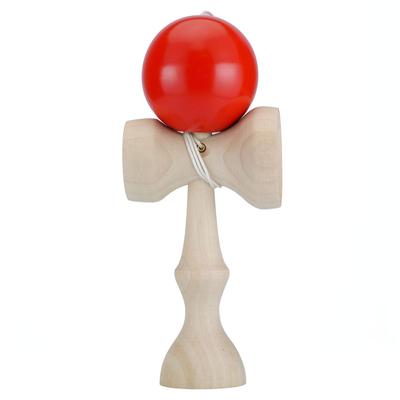
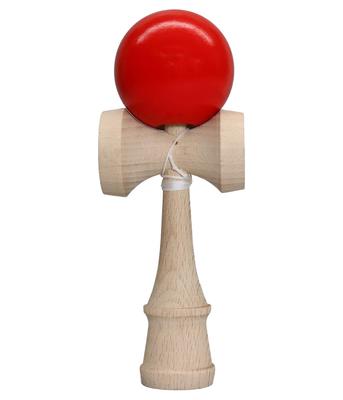
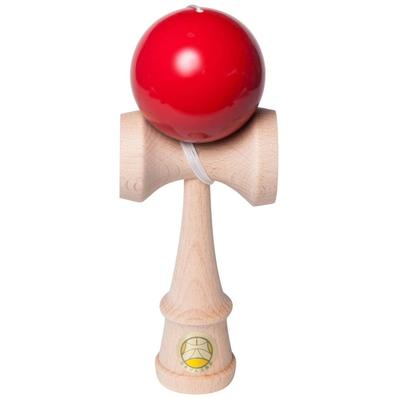
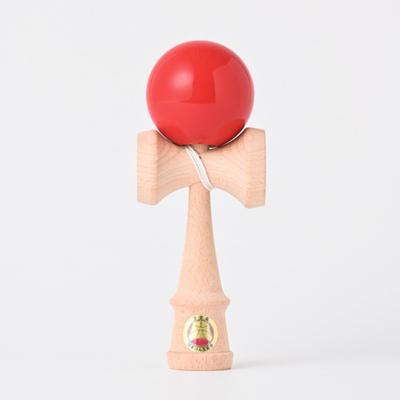
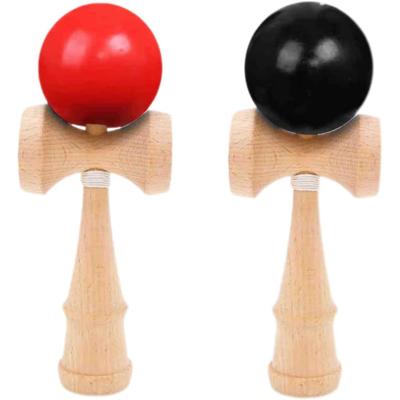
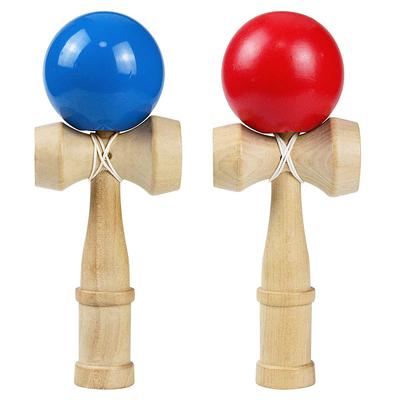
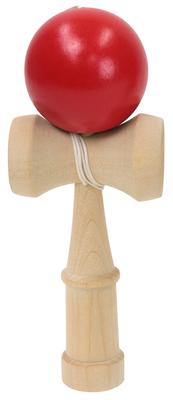
Designed by a kendama professional, this kendama is perfect for those touching a kendama for the first time. It is especially recommended for young children with less strength.
It's a little smaller and lighter than a typical kendama, making it easy for young children to handle.
The ball has lines on it, making it easier to see its rotation in the air.
One of the features of kendama is that the distinction between the large cup and the small cup is immediately apparent.
The inner tray is not only wide and easy to place items on, but also durable and resistant to breakage. The string length has been adjusted so that even short children can handle it.
This is a kendama that anyone who has the opportunity to "play with young children" should definitely have. Kendamas found in children's centers and after-school programs tend to be inexpensive toy kendamas chosen to prioritize cost, and as a result, they are often more difficult to use than competition kendamas and are not played with much. This beginner's kendama is designed so that the basic kendama tricks, such as "big cup" and "moshikame," are easier to succeed with than competition kendamas, making it a great ally to encourage first-time kendama players to say "I did it!!" The diameter of the ball is slightly smaller than a regular kendama and it is lighter, so even children and the elderly can easily lift it. The size of the cup is also larger than that of competition kendamas, so the ball gets stuck deeper in the cup and is less likely to fall out. Even when tilted to the angle shown in the photo in "Point 5," there is really no sign of it falling out, so even small children who cannot maintain a straight angle can successfully perform the big cup trick. In addition, the distinction between the large and small cups is immediately obvious, which is an advantage for those who have the opportunity to teach kendama, as it makes it easier to teach how to hold the kendama and distinguish between the cups. It's a good starting point before stepping up to competitive kendama.
I highly recommend it as a hand kendama!