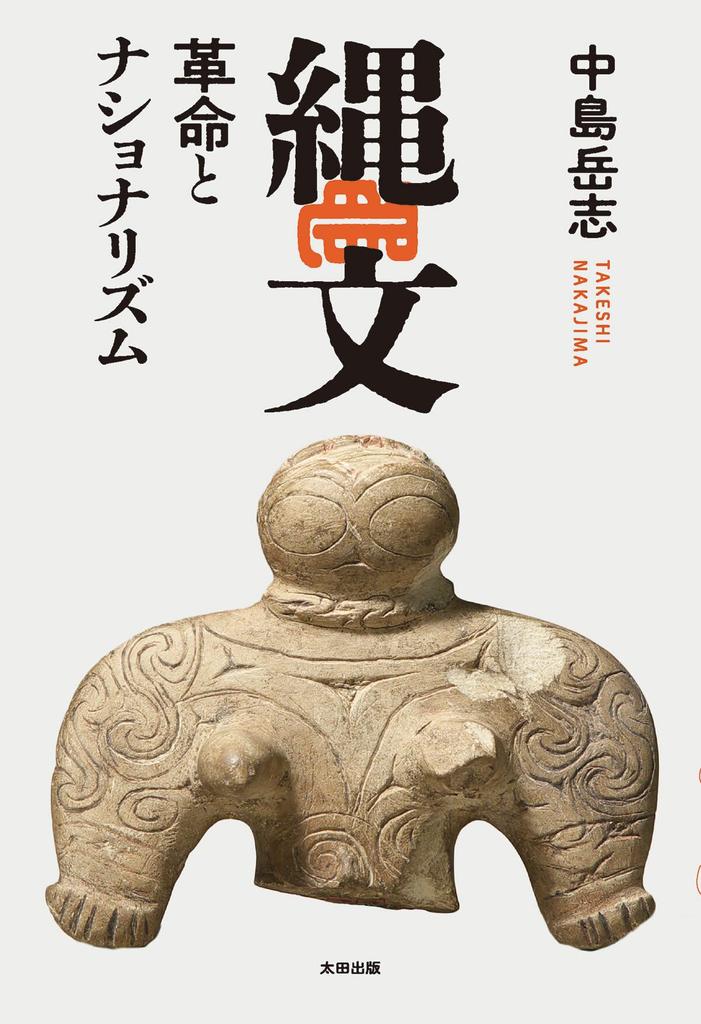
What was Japan's stumbling block after the war, and what aspirations were projected onto the Jomon period?
Okamoto Taro discovered the Jomon period, sparking interest in it among thinkers and artists. Masters of the folk art movement such as Yanagi Muneyoshi found true beauty in the Jomon period, while Shimao Toshio credited it with portraying the original Japanese people before the Emperor, leading Yoshimoto Takaaki to develop his theory of the Southern Islands. The Jomon period was also incorporated into the ideology of the Japanese Red Army, and via the occult it led to New Age and spiritualism. Umehara Takeshi developed a theory of the Jomon period that glorified the spiritual world, giving rise to "Jomon nationalism," which has continued to spread its reach amid the rightward shift of the 1990s.
A new spiritual history of postwar Japanese people.
Prologue: What Postwar Japan Tried to See in the Jomon
Chapter 1: Taro Okamoto and "Japanese Tradition"
The Discovery of the Jomon
Polarism and "Japanese Tradition"
Chapter 2: The Folk Craft Movement and the Innocent World
The Folk Craft Movement and "Primitive Crafts"
Shoji Hamada's Jomon Pottery
The Last of Muneyoshi Yanagi
Chapter 3: The Southern Islands and Japonesia
Toshio Shimao's Theory of "Japonesia"
Takaaki Yoshimoto's "Theory of Collective Illusions" and the "Logic of the Other Race"
Japonesia and the Jomon
Chapter 4: The Occult and Hippies
Flying Saucers and the Crisis of the Earth
Return to the Primitives! --Hippies and Communes
Chapter 5: The Politics of Pseudohistory—The Path of Ryu Ota
Pseudohistory and Revolution
Retreat to the "Periphery"
Spirituality, Conspiracy Theories, and Nationalism
Chapter 6: The New Kyoto School's Theory of Deep Culture—Shunpei Kamiyama and Takeshi Umehara
Shunpei Kamiyama's Theory of Evergreen Broad-leaved Forest Culture
Takeshi Umehara: The Jomon and the Ainu
Final Chapter: Jomon Spirituality and Right-Wing Nationalism