Η ιστοσελίδα δεν υποστηρίζει το πρόγραμμα περιήγησής σας. Ενημερώστε το πρόγραμμα περιήγησης ή κάντε λήψη ενός άλλου προγράμματος


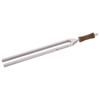
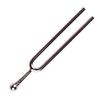
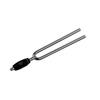
Wittner No. 922 Tuning Fork (Square) with Case (A=440Hz)
Τρέχουσα τιμή
Τιμή 64,26 €Περιλαμβάνονται ΦΠΑ και δασμοί
Λήψη...
Λήψη...
Λήψη...
Λήψη...
Λήψη...
Λήψη...
Λήψη...
Λήψη...
Λήψη...
Λήψη...
Λήψη...
Λήψη...
Λήψη...
Λήψη...
Λήψη...

Παράδοση στην Ελλάδα
0 εργάσιμες ημέρες · 4 € ανά παραγγελία

Ασφαλής διαδικασία πληρωμής και προστασία δεδομένων


 Επιστροφή χρημάτων λόγω μη παράδοσηςΕγγύηση ποιότηταςΑσφαλής εφοδιαστικήΠροστασία απορρήτου
Ασφάλεια και συμμόρφωση

Κατασκευαστής
Περιγραφή

Omi Japan Products
4,4/140
Σχετικά προϊόντα




![MEINL Sonic Energy Collection Πλανητικά Κουρδισμένο Διαπασών 256 Hz C3 / TTF-256 []](https://img.joomcdn.net/436e6d5b6e05e7611a1c28721747fba13a7ecbb2_100_100.jpeg)