Η ιστοσελίδα δεν υποστηρίζει το πρόγραμμα περιήγησής σας. Ενημερώστε το πρόγραμμα περιήγησης ή κάντε λήψη ενός άλλου προγράμματος

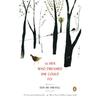
The Woman Who Wore a Hat {A Timeless Indian Novella}
Τρέχουσα τιμή
Τιμή 47 €Περιλαμβάνονται ΦΠΑ και δασμοί
Λήψη...
Λήψη...
Λήψη...
Λήψη...
Λήψη...
Λήψη...
Λήψη...
Λήψη...
Λήψη...
Λήψη...
Λήψη...
Λήψη...
Λήψη...
Λήψη...
Λήψη...

Παράδοση στην Ελλάδα
0 εργάσιμες ημέρες · 4 € ανά παραγγελία

Ασφαλής διαδικασία πληρωμής και προστασία δεδομένων


 Επιστροφή χρημάτων λόγω μη παράδοσηςΕγγύηση ποιότηταςΑσφαλής εφοδιαστικήΠροστασία απορρήτου
Ασφάλεια και συμμόρφωση
Περιγραφή

Ergode india books